
Latest Insights
Deep dives into SAP S/4HANA, BTP, and AI-driven business modernization.
15
SEP
Turning SAP Technology into Business Value: A Practical Guide for Growing Businesses
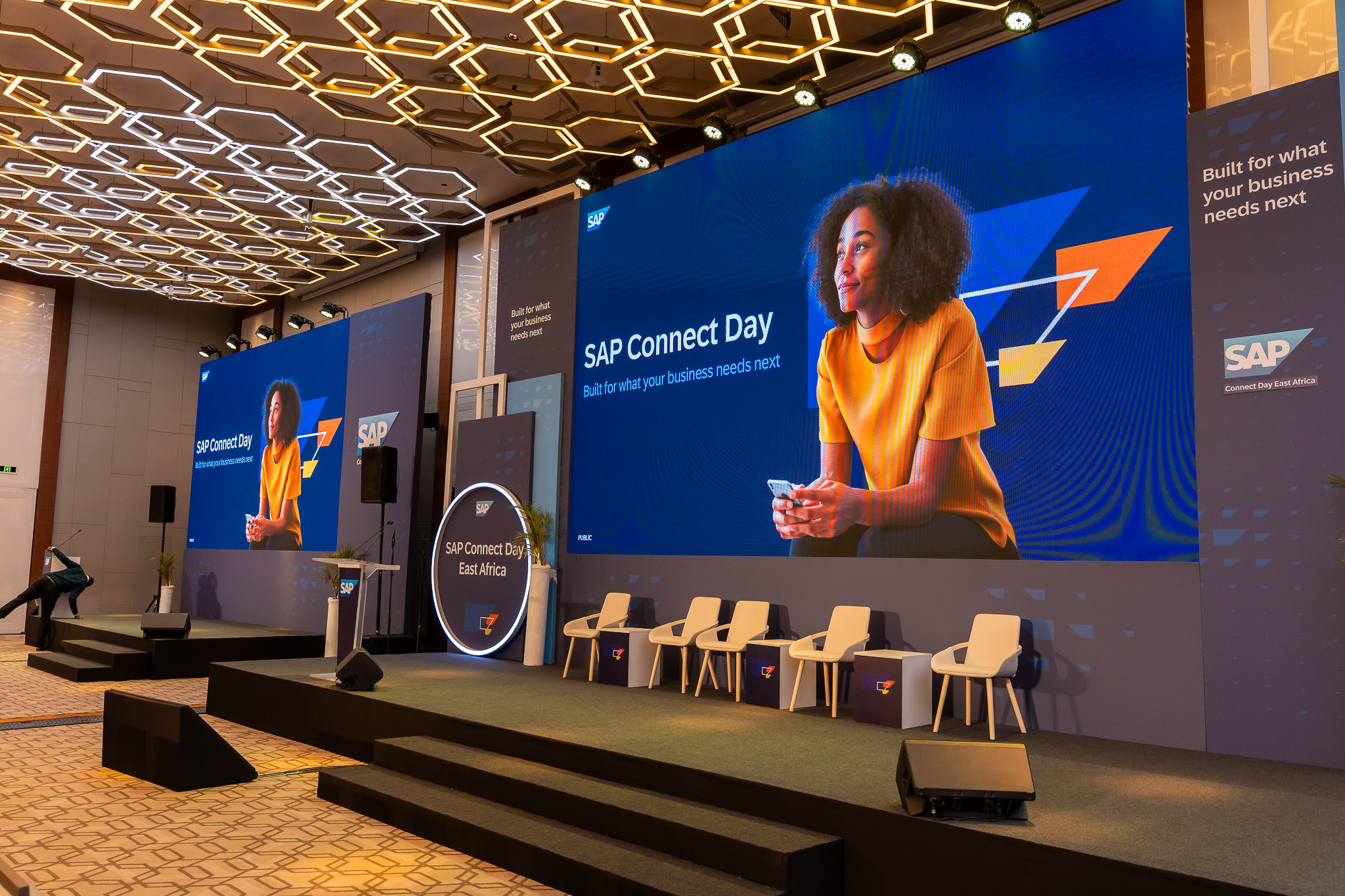
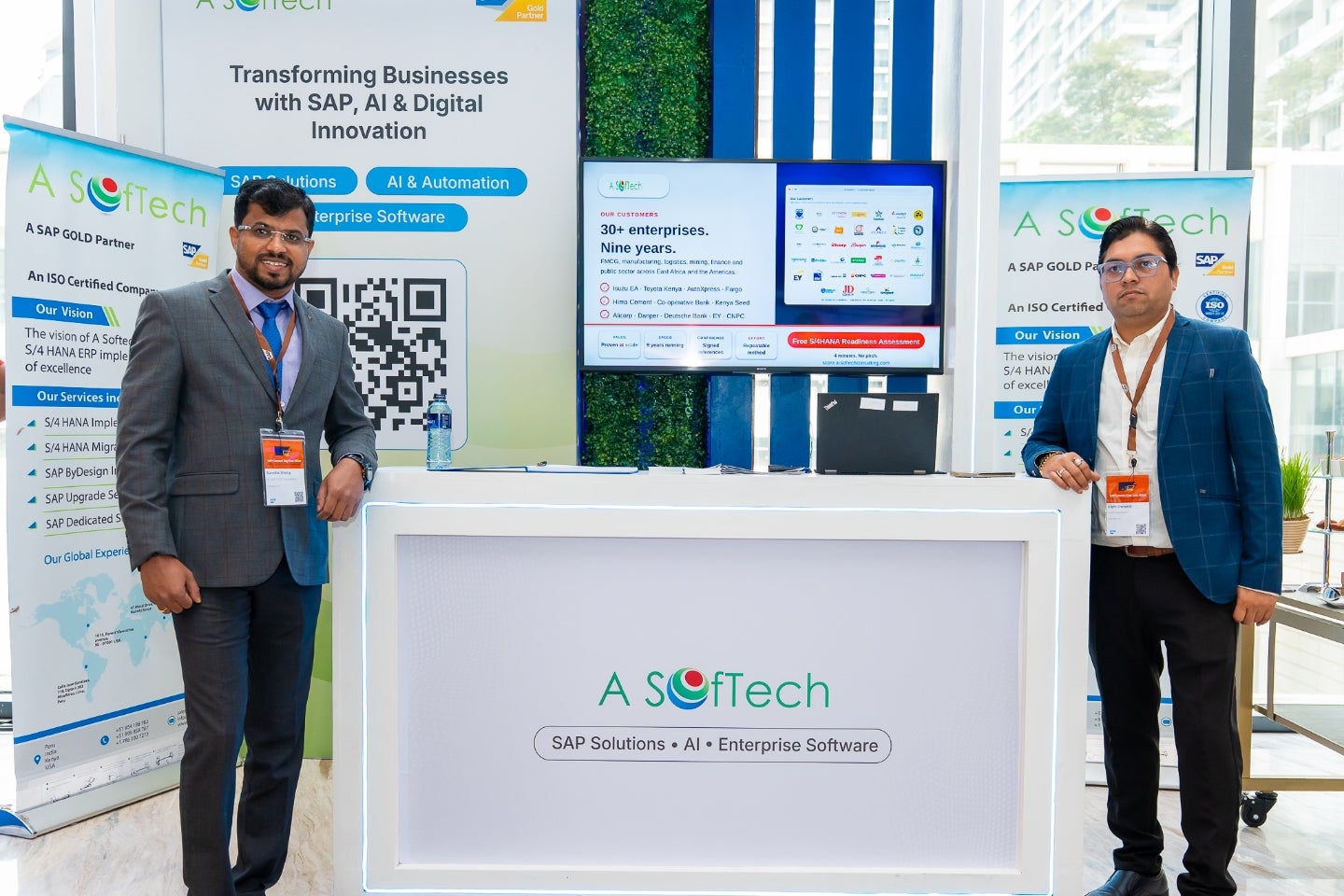
Technology investment is often one of the most important decisions an organisation makes. Enterprise platforms can transform financial management, supply chains, customer relationships, reporting and day-to-day operations.But technology investment alone does not guarantee business success.The real question is: How effectively can an organisation turn technology into measurable business value?For businesses using or considering SAP solutions, the answer goes beyond implementing software. It requires a clear understanding of business objectives, connected processes, reliable data, user adoption and continuous improvement.The discussions surrounding enterprise transformation at SAP Connect Day East Africa reinforced the importance of connecting technology decisions with real business outcomes.For growing organisations, this means looking beyond technology features and focusing on what the technology can achieve for the business.Technology Should Start with Business ObjectivesOne of the most common challenges in technology transformation is beginning with the technology rather than the business problem.Before implementing or upgrading an enterprise platform, organisations should identify what they want to improve.This could include:Reducing operational costsImproving financial visibilityIncreasing productivityImproving customer serviceStreamlining supply chain operationsReducing manual processesImproving reporting and decision-makingSupporting business growthOnce these objectives are clear, technology decisions become much more focused.The purpose of an SAP implementation should not simply be to introduce a new system. It should be to create a better way of running the business.Connect Business ProcessesBusinesses often grow by adding new systems and processes over time. While this can solve immediate needs, it can eventually create fragmented operations.Finance may use one system, sales another, inventory another and customer service another.When these systems are disconnected, information becomes difficult to manage.A connected enterprise environment can provide greater visibility across business functions and reduce unnecessary manual work.SAP solutions can help organisations bring important business processes together, while integration capabilities can connect SAP with other applications where required.The result is a more connected flow of information across the organisation.Make Data Work for the BusinessData is one of the most valuable resources available to modern organisations.However, having large amounts of data does not automatically lead to better decisions.Businesses need accurate, accessible and meaningful information.When business data is properly connected and structured, organisations can gain better visibility into areas such as sales performance, financial results, customer activity, inventory and operational efficiency.This can help management teams move from assumptions towards evidence-based decision-making.The objective is not simply to generate more reports. It is to make the right information available when it is needed.Automate Repetitive ProcessesManual processes can consume significant amounts of employee time.Activities such as data entry, approvals, reporting and information transfer can often be streamlined through automation.Automation can improve consistency while reducing the risk of human error.For employees, this means spending less time on repetitive administrative work and more time on activities that create business value.For management, it can mean faster processes, better visibility and improved operational efficiency.The most effective automation strategies focus on processes where there is a clear opportunity to improve performance.Use AI Where It Creates Real ImpactArtificial intelligence is creating new opportunities for businesses, but organisations should approach AI with a clear business objective.Rather than asking, “Where can we use AI?”, businesses should ask:“Which business challenge can AI help us solve?”Depending on the organisation and its processes, AI can support areas such as forecasting, data analysis, customer engagement, process automation and decision support.When AI is connected to enterprise data and business processes, it can become much more valuable than standalone experimentation.The future of enterprise AI will increasingly depend on how effectively it can work within the broader business environment.Improve Customer ExperienceBusiness value is not limited to internal efficiency.Technology can also play a major role in improving customer experiences.Customers expect organisations to respond quickly, provide accurate information and deliver consistent experiences across different channels.Connected enterprise systems can help businesses gain a clearer understanding of customer interactions and business activity.With better access to information, teams can respond more effectively to customer needs and make decisions faster.For growing organisations, this can become an important competitive advantage.Build for ScalabilityTechnology should support today's business while preparing it for tomorrow.As organisations grow, their technology requirements also change.New employees, customers, markets, products and business processes can introduce additional complexity.A scalable technology architecture helps organisations adapt without having to rebuild their entire technology environment every time the business changes.This is why scalability should be considered from the beginning of a transformation programme.The right technology strategy should provide a foundation that can evolve with the organisation.Measure the ResultsA successful technology transformation should be measurable.Businesses should define appropriate KPIs before implementation and continue monitoring them after deployment.Depending on the project, these could include:Process completion timeOperational costsEmployee productivityCustomer response timeOrder processing efficiencyData accuracyRevenue performanceForecasting accuracyMeasuring these outcomes helps organisations understand whether their technology investment is delivering the expected value.It also creates opportunities for continuous improvement.The Importance of the Right Technology PartnerEnterprise technology transformation can involve multiple systems, processes, stakeholders and technical requirements.Having the right technology partner can make the journey significantly more effective.A strong partner should understand not only the technology but also the business challenges behind the project.This includes understanding existing processes, identifying integration requirements, supporting implementation and helping organisations continuously improve their technology environment.The objective should always be to create a solution that works for the business rather than forcing the business to work around the technology.How A-SofTech Helps Businesses Create More ValueAt A-SofTech, we focus on connecting technology with business requirements.We understand that every organisation has different processes, challenges and growth objectives. Our role is to help businesses identify and implement technology solutions that support those objectives.By combining enterprise technology expertise with a business-focused approach, we help organisations work towards:More connected business processesBetter access to business informationImproved operational efficiencyGreater scalabilityStronger technology integrationBetter customer and employee experiencesOur participation as a Platinum Sponsor at SAP Connect Day East Africa reflects our commitment to being part of the wider conversation around enterprise technology and digital transformation.Turning Technology into Long-Term ValueThe success of an SAP or enterprise technology investment should ultimately be measured by what it enables the business to achieve.Better processes.Better information.Faster decisions.Greater efficiency.Stronger customer experiences.And the ability to scale with confidence.Technology is the enabler, but business value is the destination.As organisations across East Africa continue their digital transformation journeys, the focus will increasingly shift from implementing technology to maximising the value that technology creates.With the right strategy, connected systems and a clear focus on business outcomes, organisations can turn technology investment into a foundation for sustainable growth.A-SofTech is committed to helping businesses take that next step — transforming technology from an operational necessity into a strategic business advantage.
Read Article →
12
SEP
What SAP Connect Day East Africa Revealed About the Future of Intelligent Business
The future of business is being shaped by more than digital technology alone. Organisations today are looking for ways to use data more effectively, automate processes, make faster decisions and create connected experiences across every part of the business.The conversations around enterprise technology at SAP Connect Day East Africa highlighted an important shift: businesses are moving from traditional digital transformation toward intelligent business transformation.For organisations across East Africa, this shift presents a significant opportunity. With the right combination of cloud technology, data, artificial intelligence, automation and integrated enterprise systems, businesses can build operations that are more agile, connected and prepared for long-term growth.As a Platinum Sponsor of SAP Connect Day East Africa, A-SofTech was proud to be part of the conversations around how technology can create meaningful business outcomes. More importantly, the event provided an opportunity to reflect on the technology trends that are shaping the next phase of enterprise transformation.From Digital Transformation to Intelligent TransformationDigital transformation has been a priority for businesses for years. Organisations have invested in enterprise applications, cloud platforms, customer relationship systems and digital workflows to modernise their operations.However, simply moving from manual processes to digital systems is no longer enough.The next stage is about making those digital systems intelligent.An intelligent business does not simply collect information. It uses that information to identify opportunities, improve processes, support employees and make better decisions.This means technology needs to work together rather than operate in isolated environments. Business applications, data platforms, cloud infrastructure and AI capabilities must be connected to create a complete view of business operations.AI Is Becoming a Business CapabilityArtificial intelligence is quickly moving from an emerging technology to a practical business capability.Businesses are exploring AI to automate repetitive tasks, analyse large volumes of information, support decision-making and improve customer interactions.The real opportunity, however, is not simply adopting AI because it is a growing trend. Organisations need to identify where AI can create measurable value.For example, AI can help businesses:Analyse large volumes of business dataIdentify patterns and trendsImprove forecastingAutomate repetitive processesSupport employees with faster access to informationPersonalise customer experiencesImprove operational decision-makingThe most successful AI strategies will therefore be closely connected to business objectives.Data Is the Foundation of Intelligent BusinessEvery intelligent business depends on reliable data.Organisations generate information across finance, sales, customer service, supply chain, human resources and other business functions. When that information is spread across disconnected systems, creating a complete view of the business becomes difficult. This is where data integration becomes critical. Businesses need to be able to connect information from different applications and make it available to the right people at the right time. Better-connected data can help organisations understand what is happening across the business and respond more effectively. Instead of relying only on historical reports, organisations can move towards more timely and data-driven decision-making.Cloud Is Enabling Greater Business AgilityCloud technology has also become an important part of modern enterprise transformation.For growing businesses, cloud platforms can provide the scalability and flexibility needed to adapt to changing requirements. Organisations can access enterprise capabilities without relying entirely on traditional infrastructure and can scale technology resources as their needs evolve.Cloud also supports collaboration and integration between different applications and business functions.However, cloud adoption should not be treated simply as an infrastructure decision. Businesses should consider how cloud technology fits into their broader digital strategy, security requirements, integration architecture and long-term growth plans.Integration Is No Longer OptionalOne of the biggest challenges businesses face is fragmented technology.A company may have separate systems for finance, customer management, inventory, sales, HR and operations. If these systems cannot communicate effectively, employees may spend valuable time manually transferring information between platforms.Integration can help create a more connected technology environment.When applications and data work together, businesses can reduce duplication, improve information flow and create more consistent processes.For organisations looking to become more intelligent and agile, integration should therefore be considered a strategic priority rather than simply a technical requirement.Automation Can Transform Everyday OperationsIntelligent transformation is also about improving how work gets done.Many businesses still rely on manual processes for activities such as approvals, reporting, data entry, document processing and internal communication.Automation can reduce the amount of repetitive work employees need to perform and allow teams to focus on higher-value activities.When automation is combined with integrated systems and intelligent technologies, businesses can create workflows that are faster, more consistent and easier to manage.The goal is not to replace people. It is to give employees better tools and allow them to spend more time on activities that require expertise, creativity and judgement.What This Means for Businesses in East AfricaEast African businesses operate in an increasingly competitive and digitally connected environment.Organisations need to respond quickly to customer expectations, manage costs effectively and find new ways to improve productivity.Technology can play a major role in this transformation, but the approach needs to be practical.Businesses should focus on technology initiatives that address real operational challenges and support measurable business objectives.Whether the priority is improving financial visibility, streamlining supply chain operations, enhancing customer experiences or creating better management insights, technology should ultimately contribute to better business performance.This is where intelligent enterprise solutions can make a meaningful difference.A-SofTech's PerspectiveAt A-SofTech, we believe technology should always be connected to business outcomes.Our approach focuses on helping organisations understand their business requirements and identify technology solutions that can support efficiency, scalability and sustainable growth.From enterprise applications and system integration to data, cloud and digital transformation initiatives, businesses need a technology strategy that connects individual solutions into a larger business vision.The future will belong to organisations that can combine technology with strong processes, reliable data and informed decision-making.Looking AheadSAP Connect Day East Africa provided an important platform for conversations around the future of enterprise technology. But the value of these conversations extends beyond a single event.AI, data, cloud, automation and integration are becoming fundamental components of modern business.The organisations that successfully bring these capabilities together will be better positioned to adapt to change, improve efficiency and create new opportunities.The journey towards intelligent business is not about adopting every new technology. It is about understanding where technology can make a meaningful difference and building the right foundation to support that transformation.A-SofTech remains committed to helping businesses navigate this journey and turn technology investments into practical, measurable business outcomes.
Read Article →
29
AUG
A-Softech at SAP Connect Day East Africa: Connecting Technology with Business Outcomes
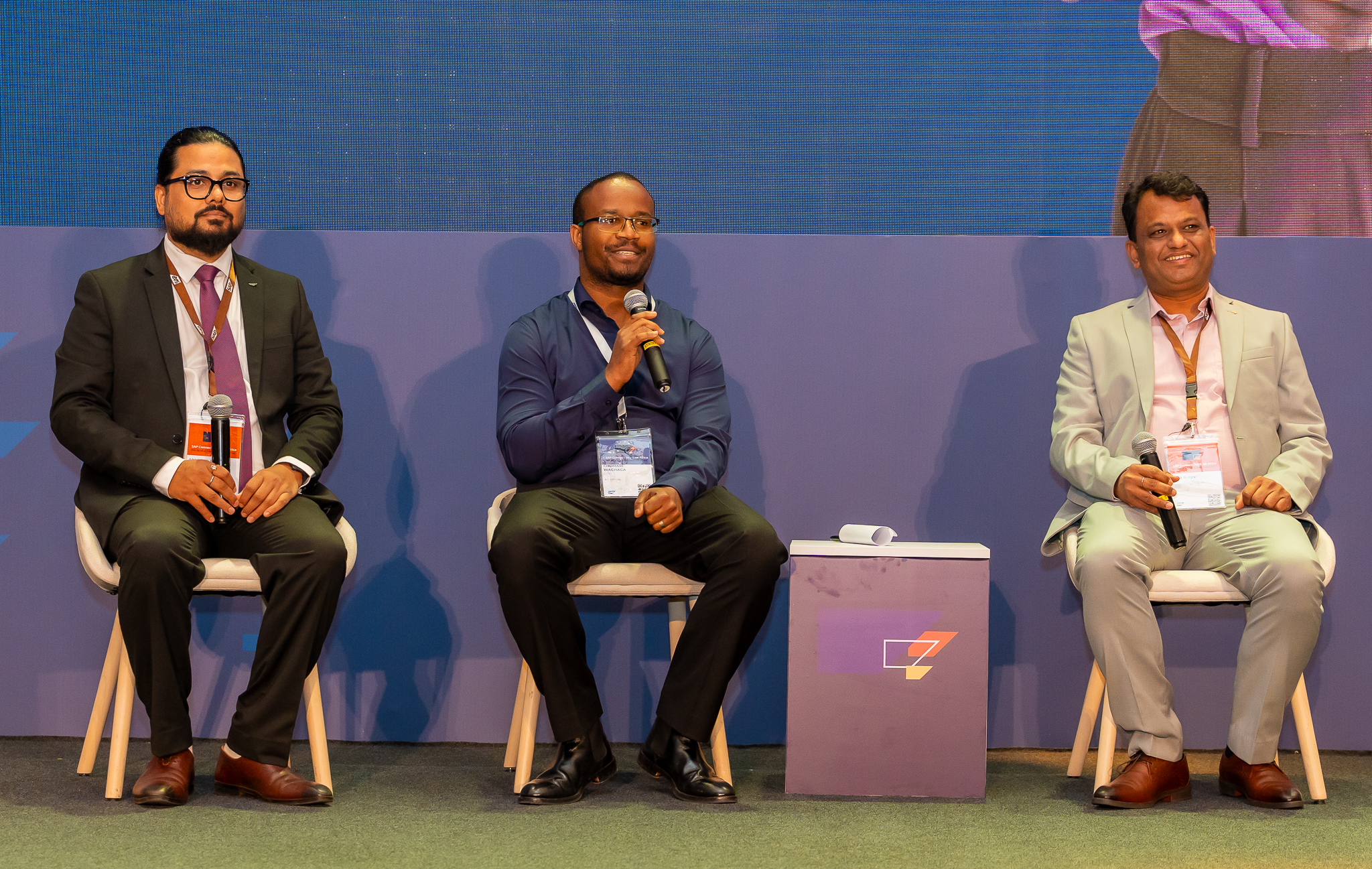
A-Softech was proud to participate as a Platinum Sponsor at SAP Connect Day East Africa 2026, held on 25 August at the JW Marriott Hotel in Nairobi. The event brought together business leaders, technology professionals and innovators to discuss how organisations can move beyond technology adoption and create meaningful business value through AI, cloud, data and SAP solutions. For A-Softech, the event was an opportunity to connect with the East African business and technology community, exchange ideas and discuss practical approaches to transformation. A-Softech’s Sales & Marketing Head for Africa, Abhishek Killiantan, was also featured among the event’s speakers, reflecting the company’s active contribution to the conversations around enterprise transformation. The event reinforced A-Softech’s commitment to helping organisations turn technology investments into practical business outcomes. Through SAP, AI, integration, data and digital transformation capabilities, A-Softech continues to support organisations as they modernise operations, improve decision-making and build technology foundations for sustainable growth.
Read Article →
26
AUG
A-Softech at SAP Connect Day East Africa: Connecting Technology with Business Outcomes
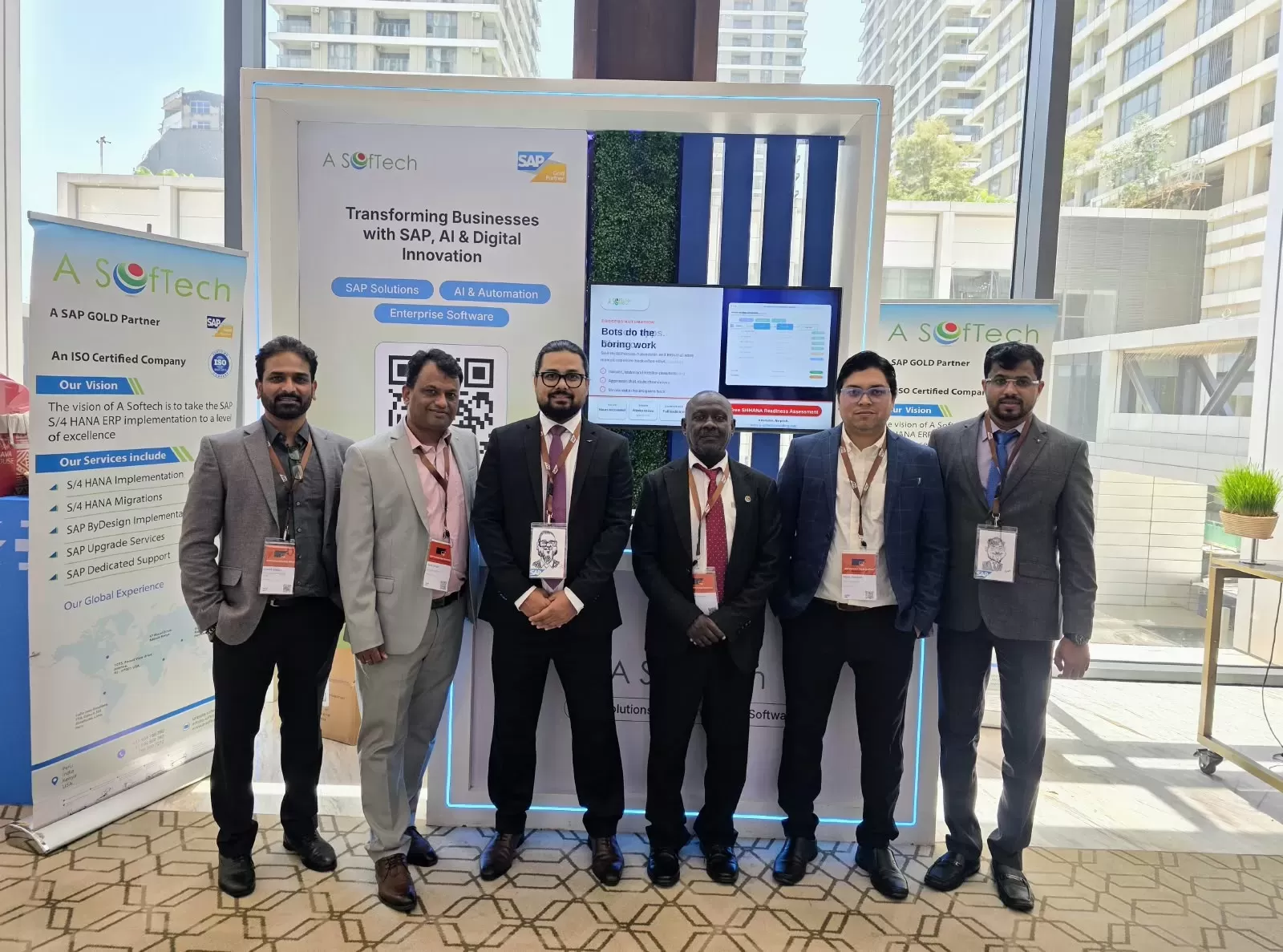
A-Softech was proud to participate as a Platinum Sponsor at SAP Connect Day East Africa 2026, held on 25 August at the JW Marriott Hotel in Nairobi. The event brought together business leaders, technology professionals and innovators to discuss how organisations can move beyond technology adoption and create meaningful business value through AI, cloud, data and SAP solutions. For A-Softech, the event was an opportunity to connect with the East African business and technology community, exchange ideas and discuss practical approaches to transformation. A-Softech’s Sales & Marketing Head for Africa, Abhishek Killiantan, was also featured among the event’s speakers, reflecting the company’s active contribution to the conversations around enterprise transformation. The event reinforced A-Softech’s commitment to helping organisations turn technology investments into practical business outcomes. Through SAP, AI, integration, data and digital transformation capabilities, A-Softech continues to support organisations as they modernise operations, improve decision-making and build technology foundations for sustainable growth.
Read Article →

25
JUN
SAP Consulting Companies in USA: Complete Guide to S/4HANA Implementation Services
In today’s digital-first business environment, organizations are rapidly shifting towards advanced ERP solutions like SAP S/4HANA. Choosing the right SAP consulting companies in the USA is essential for successful implementation, smooth operations, and long-term scalability.
Whether you are a startup or an enterprise, partnering with experienced providers offering sap s4hana implementation services ensures your business stays competitive. Additionally, many global organizations also collaborate with sap consulting companies in India for cost-effective and high-quality solutions.
In this blog, we’ll explore everything about SAP consulting, including s4 hana implementation, benefits, and how to choose the right partner.
Why Businesses Need SAP Consulting Companies in USA
The demand for SAP consulting companies in the USA is growing rapidly due to increasing digital transformation across industries. These companies provide expert guidance in implementing SAP solutions tailored to business needs.
Top SAP consulting companies in USA help businesses:
By leveraging sap s4hana implementation services, companies can modernize their legacy systems and improve efficiency.
Understanding SAP S/4HANA Implementation Services
sap s4hana implementation services are designed to help businesses migrate from traditional ERP systems to SAP S/4HANA.
Key components of sap s4hana implementation services include:
The best SAP consulting companies in the USA ensure that the entire s4 hana implementation process is smooth and aligned with business goals.
Role of SAP Consulting Companies in India
Many global companies prefer working with sap consulting companies in India due to their expertise and cost efficiency.
Top sap consulting companies in India offer:
Combining services from SAP consulting companies in the USA and sap consulting companies in India allows businesses to achieve both quality and cost benefits.
Benefits of S4 HANA Implementation
Implementing SAP S/4HANA provides several advantages. A successful s4 hana implementation helps businesses:
With expert sap s4hana implementation services, organizations can ensure a seamless transition and maximize ROI.
How to Choose the Best SAP Consulting Companies in USA
Selecting the right partner among SAP consulting companies in the USA is crucial for success. Here are key factors to consider:
1. Industry Experience
Choose companies with proven expertise in sap s4hana implementation services.
2. Global Delivery Model
Many SAP consulting companies in the USA collaborate with sap consulting companies in India for efficient delivery.
3. Custom Solutions
Ensure they provide tailored s4 hana implementation strategies.
4. Support & Maintenance
Ongoing support is essential for long-term success.
5. Client Reviews
Check testimonials and case studies before selecting a provider.
SAP Consulting Services for Different Industries
The SAP consulting companies in USA cater to multiple industries, including:
With advanced sap s4hana implementation services, businesses in these sectors can improve productivity and scalability.
Similarly, sap consulting companies in India offer industry-specific solutions, making them a preferred choice for global clients.
Future of SAP S/4HANA Implementation
The future of ERP lies in intelligent systems like SAP S/4HANA. Companies investing in s4 hana implementation today are preparing for tomorrow’s challenges.
The SAP consulting companies in USA are continuously innovating with:
By leveraging sap s4hana implementation services, businesses can stay ahead of the competition.
Conclusion
Choosing the right SAP consulting companies in the USA is a critical step in your digital transformation journey. Whether you opt for local expertise or collaborate with sap consulting companies in India, the goal is to achieve a successful s4 hana implementation.
With the right sap s4hana implementation services, your business can unlock efficiency, scalability, and long-term growth.
FAQs
1. What are SAP consulting companies in the USA?
SAP consulting companies in the USA provide expert services for SAP implementation, customization, and support.
2. What are SAP S4HANA implementation services?
sap s4hana implementation services help businesses migrate to SAP S/4HANA and optimize operations.
3. Why choose SAP consulting companies in India?
sap consulting companies in India offer cost-effective solutions with skilled professionals and global delivery capabilities.
4. What is S4 HANA implementation?
s4 hana implementation is the process of deploying SAP S/4HANA ERP systems in an organization.
5. How to choose the best SAP consulting companies in the USA?
To select the best SAP consulting companies in the USA, check experience, reviews, and service offerings.
6. Is SAP S/4HANA suitable for small businesses?
Yes, with proper sap s4hana implementation services, even small businesses can benefit from SAP solutions.
Read Article →

12
JUN
How startups are cutting cloud costs, renegotiating deals with service providers
As global macroeconomic conditions worsen and funding slowdown continues, Indian startups are cutting their spends on an integral part of tech businesses – cloud storage – by renegotiating contracts with service providers like AWS and Google Cloud, multiple startup founders told ET.Many of these companies have slashed cloud expenses by 20%-30% while some growth stage startups such as ecommerce platforms Meesho and Dealshare have brought down their cloud expenses by 50%, under pressure to control their cash burn, they said.This has led to the top three cloud service providers – Amazon Web Services (AWS), Google Cloud Platform and Microsoft Azure – waging pricing wars to lure startups onto their platforms in the current downturn.Over the past months, several startups have been approached by AWS rivals to switch over for lesser pricing, multiple founders who have been in talks with them confirmed.In some instances, founders are using pricing quotes received from Google Cloud and Microsoft Azure to renegotiate discounted contracts with AWS, their primary cloud service provider, said one of the founders.
Cybersecurity ecosystem
The Data Security Council of India has forecast that the cybersecurity ecosystem will expand up to a point where nearly one million professionals will be required by 2025. Additionally, the demand for cloud security skills is estimated to grow by 115% between 2020 and 2025, representing almost 20,000 job openings, Narayan added.An extensive exercise in reskilling and/or upskilling the existing workforce, believe staffing experts, is one of the ways that telcos can future proof their work.Indian mobile phone operators are expected to at least double their investments on network security with the 5G roll out expected to spark a surge in network vulnerabilities, which assume critical importance especially for enterprises.However, it is already proving to be a challenge for telcos to have robust security teams.
Bharti Airtel, for example, has been preparing for 5G roll out by upskilling its professionals and offering them certification courses such as CCNA (Cisco Certified Network Associate) and CCNP (Cisco Certified Network Professional). The courses are offered based on skill and eligibility level free of cost.
Read Article →